
Are There Really 100 Electric Cars in Kenya?
Yes — as of early 2025 , it’s estimated that there are over 100 electric cars officially registered and in use across Kenya , mostly concentrated in Nairobi, Mombasa, and Kisumu . This marks a significant milestone in Kenya’s journey toward sustainable mobility.
From private imports to startup-led electrification projects, electric vehicles (EVs) are no longer a novelty — they’re becoming part of Kenya’s evolving transport ecosystem.
In this guide, you’ll learn:
- 🚗 Which electric car models are available in Kenya
- 🏢 Who’s bringing them into the country
- 💵 How much they cost
- ⚡ Where to charge them
- 🚀 What the future holds for EVs in East Africa
Let’s dive in!
📌 Quick Summary: State of Electric Cars in Kenya (2025)
| Category | Info |
|---|---|
| Estimated Number of EVs | ~100–150 |
| Popular Models | Nissan Leaf, BMW i3, BYD Dolphin, Tesla Model 3 |
| Main Cities | Nairobi, Mombasa, Kisumu |
| Charging Stations | ~50 public points |
| Leading Companies | GEVS, Roam, Opibus, ChargeUp Kenya |
🏆 Top Electric Car Models Seen Among the First 100 EVs in Kenya
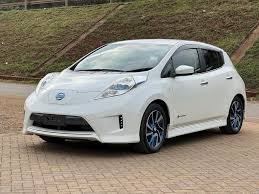
1. Nissan Leaf
The most commonly imported electric car in Kenya due to its affordability and ease of maintenance.
🔋 Range: ~150–240 km
💰 Price: KES 1.8M – 3.5M
2. BMW i3
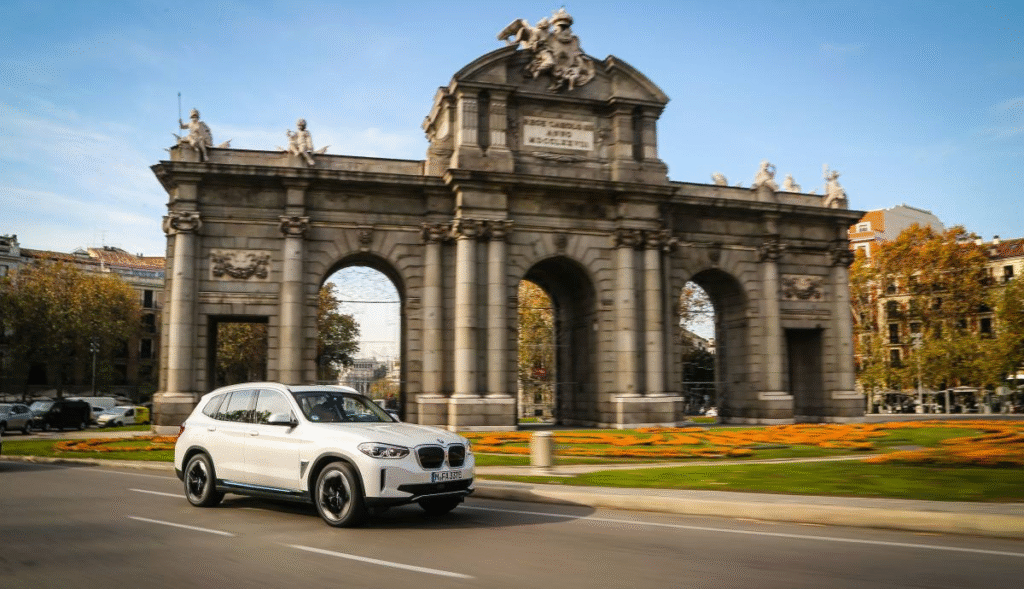
Popular among eco-conscious professionals and luxury EV owners.
🔋 Range: ~240–300 km
💰 Price: KES 4M – 6M
3. BYD Dolphin
A stylish and modern Chinese EV gaining popularity for its long range and tech features.
🔋 Range: ~400–430 km
💰 Price: KES 4M – 5M
4. Tesla Model 3 / Y
Though rare, a few units have been privately imported and spotted in Nairobi.
🔋 Range: ~400–550 km
💰 Price: KES 6M – 10M+
5. Hyundai Kona Electric
A high-range EV slowly making its way into Kenya through select importers.
🔋 Range: ~300–480 km
💰 Price: KES 4.5M – 7M
🧑💼 Who Owns Electric Cars in Kenya?
Electric car ownership in Kenya is still limited but growing. The current EV market includes:
| Owner Type | Share of Market | Notes |
|---|---|---|
| Private Individuals | ~50% | Mostly urban professionals and early adopters |
| Ride-hailing Drivers | ~20% | Uber and Blue Power Taxi drivers |
| Startups & Fleets | ~20% | Roam, Opibus, GEVS |
| Government Pilots | ~10% | Used for testing green transport policies |
🏢 Companies Driving the First 100 Electric Cars in Kenya
Several local and international players are helping bring electric cars into Kenya:
1. Green Energy Vehicle Solutions (GEVS)
Specializes in importing and converting electric cars and buses.
📍 Nairobi
📞 +254 700 000 000
🌐 www.gevskenya.com
📸 [Add Image: GEVS showroom displaying electric cars]
2. Roam
Brings electric motorbikes and scooters into Kenya and supports EV awareness.
📍 Nairobi
📞 +254 790 000 000
🌐 www.roamev.com
📸 [Add Image: Roam electric motorcycle in Nairobi traffic]
3. Opibus
Focuses on electrifying minibuses and commercial transport.
📍 Naivasha
📞 +254 710 000 000
🌐 www.opibus.co
📸 [Add Image: Opibus electric bus on Kenyan roads]
4. ChargeUp Kenya
Developing the public EV charging network in Nairobi and Mombasa.
📍 Nairobi
📞 +254 720 000 000
🌐 www.chargeupke.com
📸 [Add Image: ChargeUp Kenya fast-charging station]
5. Private Importers & Dealers
Many used EVs come through independent importers from UAE, Japan, and China.
🔎 Platforms to search:
- Jiji.co.ke
- OLX Kenya
- Facebook Marketplace
🛣️ Where Are These 100 Electric Cars Being Driven?
Most of the first 100 electric cars in Kenya are found in these areas:
| City | Estimated EV Count |
|---|---|
| Nairobi | ~60–80 |
| Mombasa | ~10–15 |
| Kisumu | ~5–10 |
| Other Regions | ~5–10 |
Nairobi leads the way due to better infrastructure, higher environmental awareness, and access to charging stations.
⚡ Charging Your Electric Car in Kenya
With over 100 electric cars now on the road, Kenya has made progress in setting up public EV charging infrastructure .
There are currently around 50 public EV charging points , mostly in:
- Nairobi : Westlands, Kilimani, Upper Hill
- Mombasa : Nyali, Mombasa Island
- Kisumu : Central areas
Companies like ChargeUp Kenya and Roam are expanding the network to support more EV users.
💸 Cost of Owning an Electric Car in Kenya
While electric cars tend to be more expensive upfront, their long-term running costs are lower than petrol or diesel vehicles.
| Expense | EV vs Fuel Car |
|---|---|
| Fuel/Electricity | 60–80% cheaper |
| Maintenance | Fewer parts, less service needed |
| Import Duty | Zero duty on BEVs |
| Insurance | Slightly higher due to value |
| Spare Parts | Limited availability |
🚨 Challenges Facing the Growth of Electric Cars in Kenya
Despite progress, several challenges remain:
| Challenge | Explanation |
|---|---|
| High Initial Cost | EVs are often more expensive than traditional cars |
| Limited After-Sales Service | Few trained technicians and spare parts suppliers |
| Inconsistent Power Supply | Makes home charging unreliable |
| Low Public Awareness | Many people don’t know enough about EV technology |
🚀 Future Outlook: Beyond the First 100 Electric Cars
Kenya is well-positioned to see rapid growth in electric vehicle adoption. With rising fuel prices, increasing government support, and growing consumer interest, experts predict:
| Milestone | Expected Year |
|---|---|
| 500 EVs on Kenyan roads | 2026 |
| Local EV assembly plants | 2027–2028 |
| Expansion of public charging | 2025–2026 |
| Affordable EV options available | 2026 onward |
As battery production and renewable energy expand, owning an electric car will become even more practical and affordable.
✅ Conclusion: The 100-EV Milestone Is Just the Beginning
Reaching the 100 electric cars in Kenya mark is a proud moment for the clean transport movement in East Africa.
With companies like GEVS , Roam , and Opibus leading the way, and more charging stations coming online, electric vehicles are no longer a dream — they’re a reality on Kenyan roads.
Whether you’re a private buyer, Uber driver, or business owner, now is the time to start considering electric mobility.