

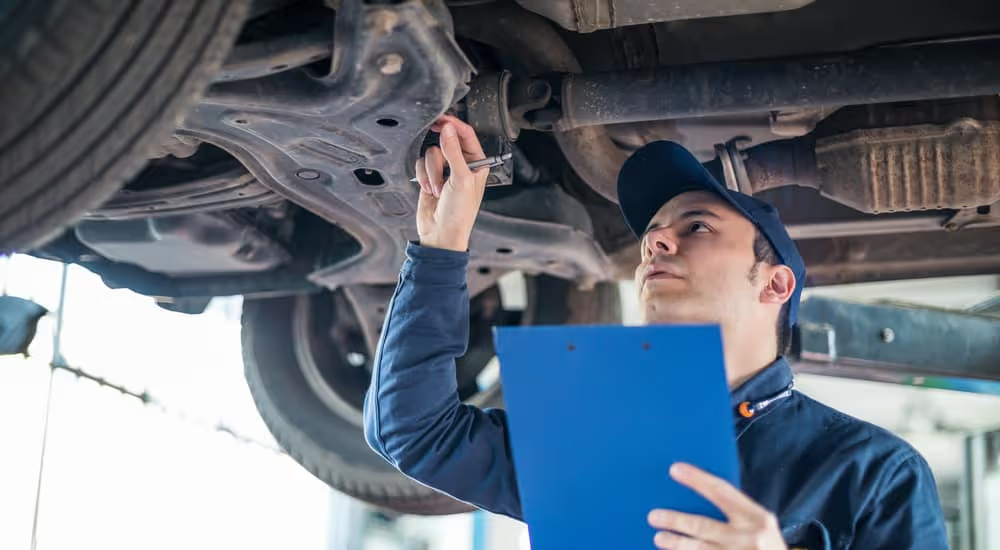
1. Set Your Budget
Determine how much you’re willing to spend, including:
- Purchase price
- Insurance
- Road tax
- Registration and transfer fees
- Maintenance costs
Used cars are generally cheaper than new ones, but hidden issues can increase long-term expenses.

2. Decide on the Type of Used Car
You have two main options:
- Locally used cars – Already registered in Kenya.
- Imported used cars – Mostly from Japan, UAE, and Europe.
Imported cars may offer better value but require more paperwork and inspection.
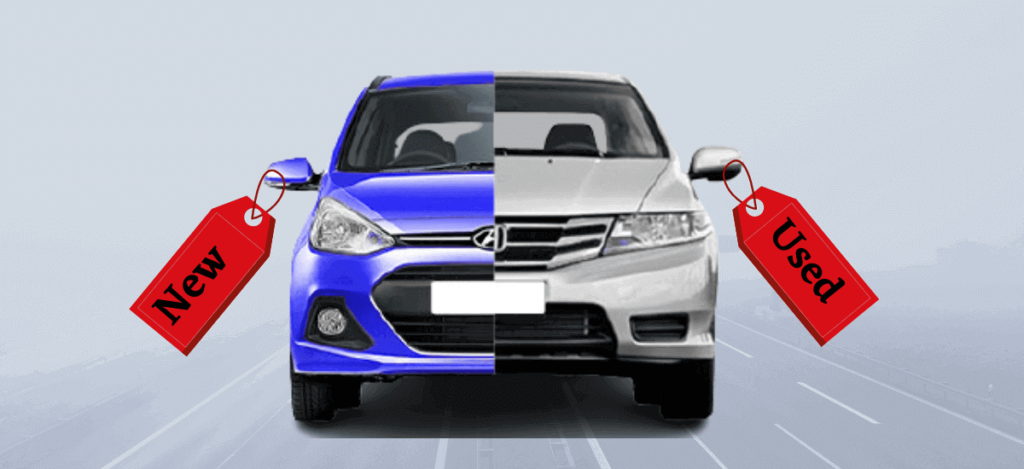
3. Research Popular Models
Some of the most reliable and commonly found used car models in Kenya include:
- Toyota Fielder
- Toyota Premio
- Nissan B15
- Mazda Demio
- Volkswagen Bora
These models are known for fuel efficiency, durability, and availability of spare parts.

4. Inspect the Car Thoroughly
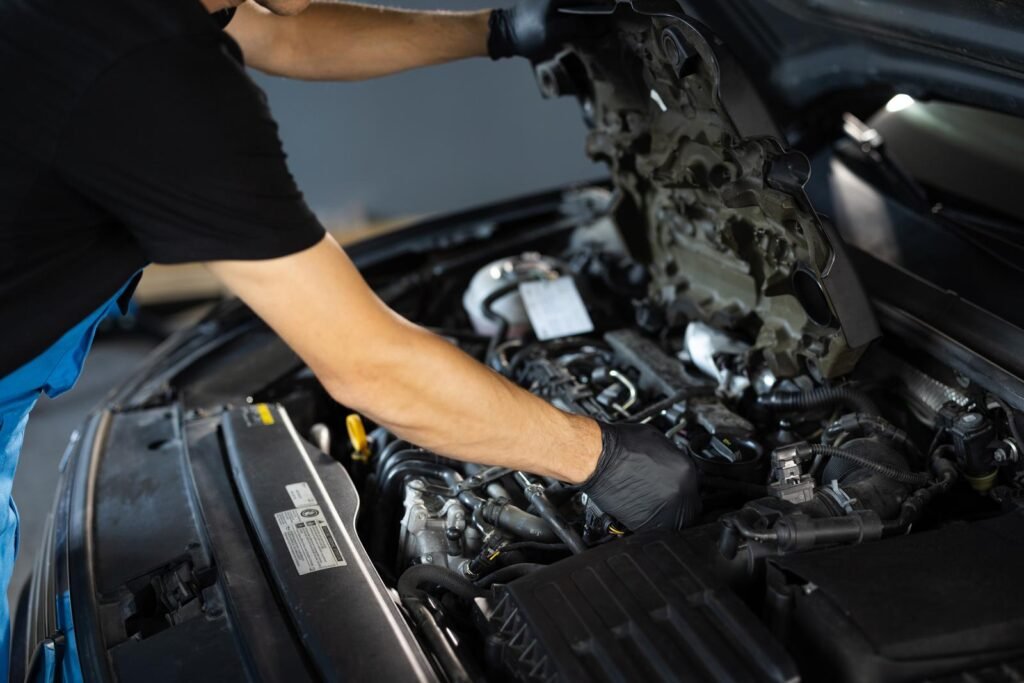
Always inspect the car yourself or hire a mechanic. Check:
- Engine condition
- Chassis number matching documents
- Bodywork (dents, rust)
- Tyres and brakes
- Electrical systems
Take it for a test drive to assess performance and handling.
5. Verify Ownership and Documents
Ensure all documentation is in order before purchasing:
- Logbook (Registration Certificate)
- Sales Invoice
- Tax Clearance Certificate
- Insurance Certificate
For imported cars, verify customs clearance and import documentation.

6. Choose a Payment Method
Options include:
- Cash payment – Fast and straightforward
- Bank transfer – Secure for large amounts
- Dealer financing – If buying from a showroom
Always get a signed receipt and agreement before releasing funds.
7. Transfer Ownership
After purchase, transfer the car into your name:
- Visit NTSA or use their online portal.
- Submit the old logbook and completed forms.
- Pay the transfer fee (~Kshs 2,000–3,000).
- Get a new logbook under your name.
Final Tips
- Always inspect the car thoroughly.
- Avoid rush decisions.
- Be cautious of too-good-to-be-true deals.
- Use verified sellers or trusted dealers.
Conclusion
Buying a used car in Kenya can be rewarding if done right. With proper research, inspection, and due diligence, you can find a reliable vehicle that fits both your lifestyle and budget.
Use the six image suggestions above when publishing this guide on WordPress for better engagement and SEO performance.