
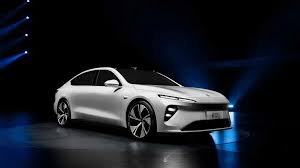
Introduction: The Growing Presence of Electric Vehicles in Kenya
Kenya is slowly but surely embracing the global shift toward sustainable transportation. While internal combustion engine vehicles still dominate the roads, electric vehicles (EVs) are becoming more visible—especially in Nairobi and Mombasa.
But just how many electric cars are actually in Kenya?
Let’s dive into the numbers, explore the current state of EV adoption, and understand what’s fueling this green revolution.

Current Estimate: How Many Electric Cars Are Registered in Kenya?
As of early 2025 , it is estimated that there are approximately 1,200 to 1,500 electric cars officially registered and in use across Kenya.
This number includes:
- Fully electric passenger cars
- Plug-in hybrid electric vehicles (PHEVs)
- Electric buses and commercial vehicles
- Electric motorcycles and tuk-tuks (e-motos)
While this figure may seem small compared to countries like Norway or the U.S., it represents significant progress for a developing nation where EV infrastructure is still emerging.
Breakdown of Electric Vehicle Types in Kenya
| Type of EV | Estimated Count |
|---|---|
| Fully Electric Cars | ~600 |
| Plug-in Hybrid Cars | ~300 |
| Electric Buses | ~40 |
| Electric Motorcycles | ~500+ |
Note: These figures are based on estimates from government reports, industry experts, and local EV dealerships.
What’s Driving the Growth of Electric Cars in Kenya?
1. Government Support
The Kenyan government has introduced tax exemptions and reduced import duties on electric vehicles to encourage their adoption.
2. Rising Fuel Prices
With fluctuating fuel prices, many Kenyans are turning to electric cars as a more cost-effective alternative.
3. Environmental Awareness
Urban consumers are increasingly conscious of their carbon footprint, prompting interest in zero-emission vehicles.
4. Private Sector Investments
Companies like Roam , Opibus , and Green Energy Vehicle Solutions (GEVS) are leading the charge by introducing affordable and locally adapted electric vehicles.

Challenges Slowing Down EV Adoption
Despite the positive momentum, several challenges remain:
1. High Initial Cost
Even with tax breaks, electric cars often cost more than traditional petrol or diesel vehicles.
2. Limited Charging Infrastructure
There are only about 50 public charging stations nationwide, mostly concentrated in Nairobi and Mombasa.
3. Lack of After-Sales Service
Finding trained technicians and spare parts for EVs remains a challenge.
4. Power Supply Reliability
Unstable electricity supply in some regions makes home charging unpredictable.
Where Are Most Electric Cars Located in Kenya?
Most electric cars are found in urban centers , especially:
- Nairobi – The capital and tech hub
- Mombasa – Coastal city with growing tourism and transport needs
- Kisumu – Emerging urban center in western Kenya
These cities also host most of the country’s EV dealerships, service centers, and charging points.
The Future Outlook: What Lies Ahead for EVs in Kenya
Experts predict that the number of electric cars in Kenya could reach 5,000 by 2027 , driven by:
- Expansion of charging networks
- More affordable EV models entering the market
- Continued policy support from the government
- Increased awareness and demand
Local manufacturing of electric motorcycles and mini-buses is already underway, signaling a broader shift toward electrified mobility.
Conclusion: Electric Cars Are Gaining Ground in Kenya
To answer the question directly: as of 2025, there are approximately 1,200–1,500 electric cars in Kenya , and that number is rising steadily.
With increasing investment, better infrastructure, and growing consumer interest, electric vehicles are set to become a major part of Kenya’s transportation landscape in the coming years.