

Buying a car in Kenya can be a major milestone, but the process involves several important steps. Whether you’re buying a new or used car, this guide will walk you through everything you need to know — from setting a budget to driving your dream car off the lot.
To help you visualize each step of the journey, we’ve included image suggestions that can be used if you’re creating this as a WordPress blog post.
1. Set Your Budget
Before shopping for a car, determine how much you can afford. Don’t just focus on the sticker price — include additional costs like:
- Import duty (for used cars)
- Insurance
- Road tax
- Registration
- Maintenance

2. Choose the Type of Car
You have three main options:
- New Cars – Purchased from dealerships.
- Used Imports – Mostly from Japan, UAE, and Europe.
- Local Used Cars – Previously registered in Kenya.
Each option has its advantages and disadvantages depending on cost, reliability, and availability of spare parts.

3. Research Popular Models
Some of the most reliable and popular car models in Kenya are:
- Toyota Fielder
- Toyota Premio
- Nissan B15
- Mazda Demio
- Volkswagen Bora
Research which one suits your lifestyle, fuel efficiency needs, and long-term maintenance costs.

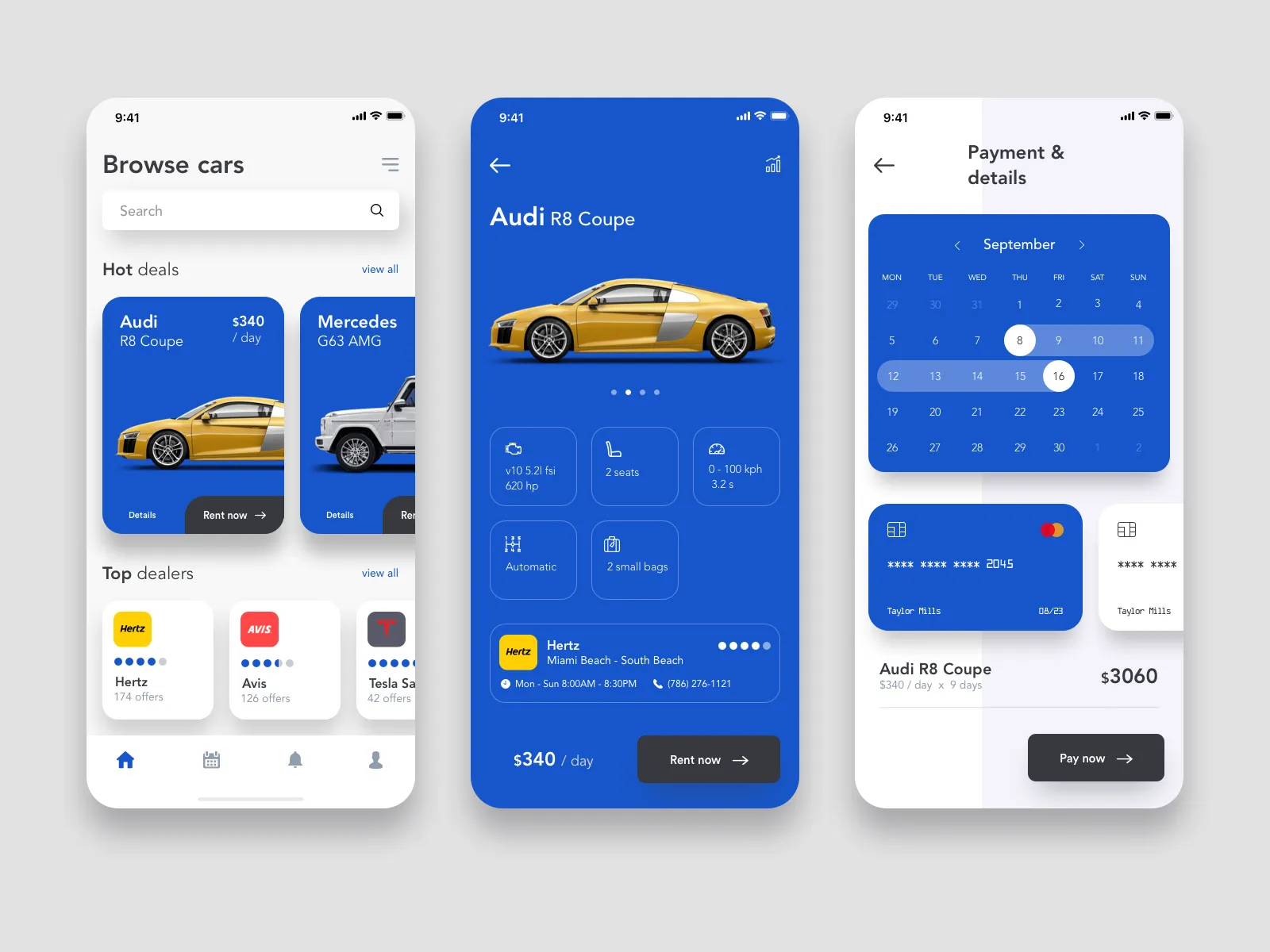
4. Find a Seller Online
Use trusted platforms such as:
- Cheki Kenya
- Jiji Kenya
- Prestige Motors
Filter by price, location, year, and mileage to narrow down your search.
5. Inspect the Car in Person
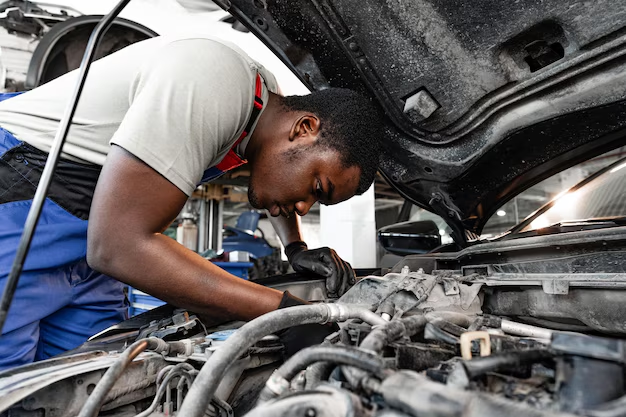
Always inspect the car yourself or hire a mechanic. Look for:
- Engine condition
- Chassis number matching documents
- Bodywork (dents, rust)
- Tyres and brakes
- Electrical systems
Take it for a test drive to assess performance.
6. Verify Ownership and Documents
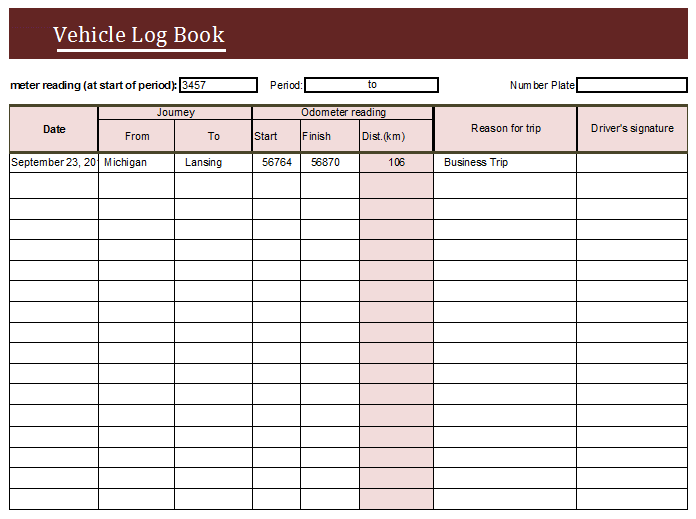
Ensure all documentation is in order before completing the purchase:
- Logbook (Registration Certificate)
- Sales Invoice
- Tax Clearance Certificate
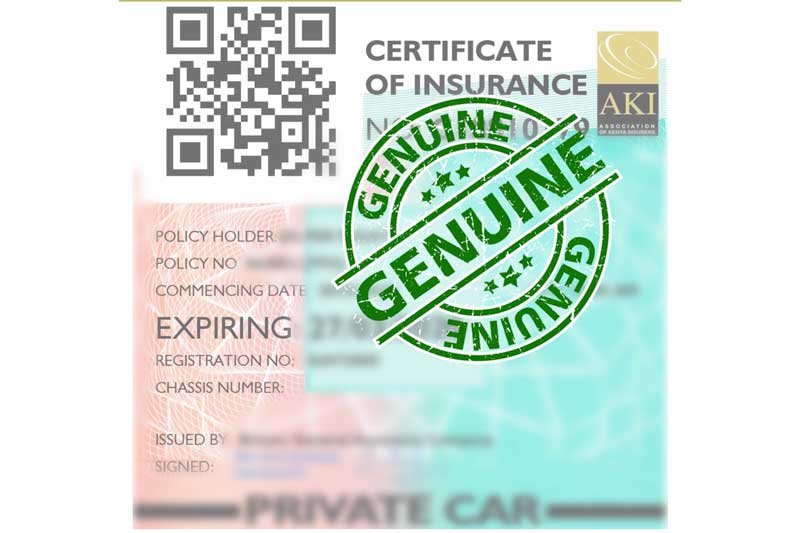
- Insurance Certificate
For imported cars, confirm customs clearance is complete.
7. Decide on a Payment Method
Choose how to pay:
- Cash: Fast and straightforward.
- Bank Loan: Many banks offer auto loans at competitive rates.
- Dealer Financing: Some dealers provide installment plans.
Get a signed agreement and receipt before transferring funds.
8. Transfer the Car into Your Name
After purchase, transfer ownership:
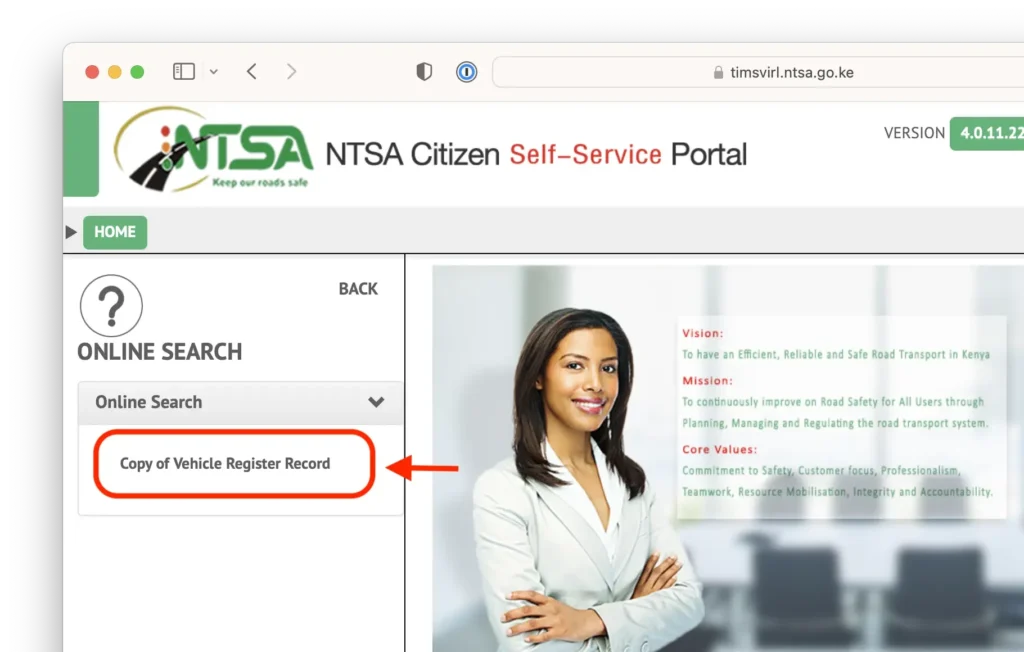
- Visit NTSA or use their online portal.
- Submit required documents.
- Pay the transfer fee (~Kshs 2,000–3,000).
- Receive the updated logbook.
9. Get Insurance & License the Car
Before driving, ensure:
- You have valid insurance (minimum third-party coverage)
- The car is licensed via NTSA
You can do both online using the NTSA portal.
Final Tips
- Always negotiate politely.
- Avoid rushing into a deal.
- Be cautious of suspiciously low prices.
- Use verified sellers or trusted dealers.

Conclusion
Buying a car in Kenya doesn’t have to be overwhelming. With careful planning, research, and attention to detail, you can find a reliable vehicle that fits your needs and budget.
Make sure to use high-quality images aligned with the suggestions above to enhance engagement and SEO performance when publishing this blog on WordPress.