
Buying a car in Kenya is a major milestone — but it’s important to be prepared. Whether you’re buying new or used, from a dealership or private seller, there are several key things you need to buy a car in Kenya .
This guide will walk you through:
- The essential documents required
- Budgeting tips
- Legal requirements
- Where to buy
- And much more
Let’s get started!
🔍 Why Preparation Is Key When Buying a Car
Kenya offers many options when it comes to purchasing a vehicle — from brand-new models at dealerships to well-maintained imports. However, without proper preparation, the process can become stressful or even risky.
Knowing what you need before starting your search helps ensure a smooth, safe, and legally compliant purchase.
📋 What You Need to Buy a Car in Kenya: Your Ultimate Checklist
1. A Clear Budget
Before shopping, define how much you can afford. Include:
- Upfront cost (full payment or down payment if financing)
- Registration fees
- Insurance (at least third-party)
- Excise duty and VAT (for imported cars)
- Fuel, maintenance, and parking costs

2. Valid Identification Documents
To complete any car transaction, you’ll need:
- National ID or Passport – Proof of identity
- KRA PIN Certificate – Required for tax clearance (especially for imported vehicles)
📍 Tip: Always carry both originals and photocopies.
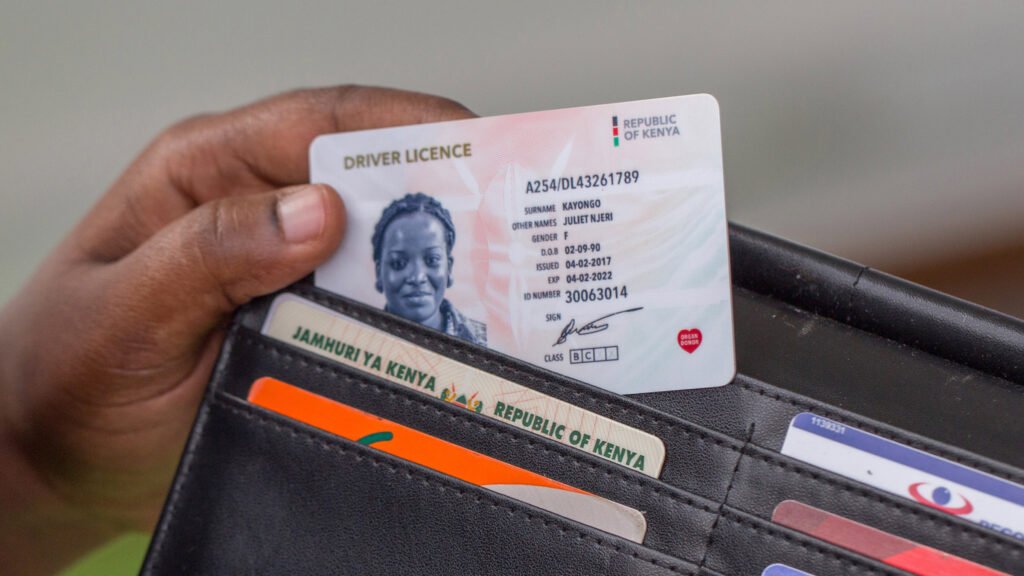
3. Driving License
You must have a valid Kenyan driving license. If you’re buying for someone else, make sure the registered owner has a valid license.
4. Proof of Income (if financing)
If you’re applying for a car loan, lenders typically require:
- Payslips (last 3 months)
- Bank statements (last 6 months)
- Business registration documents (if self-employed)
📍 Tip: Maintain a good CRB (Credit Reference Bureau) score for smoother loan approval.
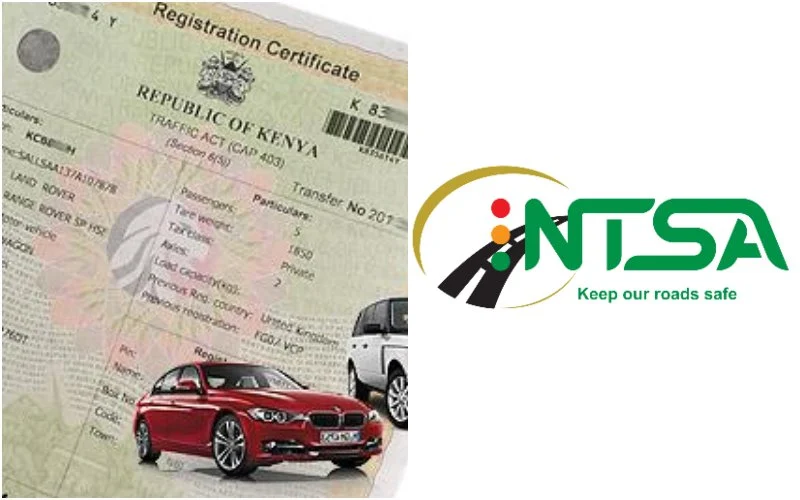
5. Logbook (Registration Certificate)
When purchasing a used car, always verify that:
- The logbook is original and not duplicated
- It matches the vehicle details (chassis number, engine number)
- There are no outstanding loans or liens on the vehicle
6. Sales Invoice or Agreement
The invoice should include:
- Seller’s full name and ID details
- Vehicle information (make, model, year, VIN)
- Sale price and payment method
- Date of sale
This document is crucial for transferring ownership.
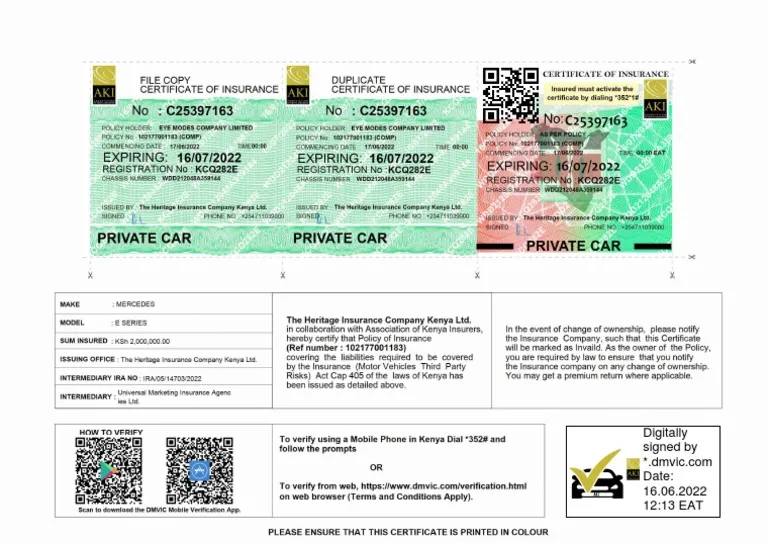
7. Insurance Policy
In Kenya, third-party insurance is mandatory . However, comprehensive insurance is highly recommended for better protection.
8. KRA Clearance Certificate (For Used Imports)
All imported cars must have a KRA clearance showing that all duties and taxes have been paid.
📍 Tip: Always request this document before finalizing the purchase.
9. Road Worthiness Certificate (Where Applicable)
Some counties may require a road worthiness certificate before licensing the vehicle.
10. Vehicle Inspection Report (Optional but Recommended)
Have a mechanic inspect the car to check for:
- Mechanical issues
- Body damage
- Service history
- Odometer tampering
📍 Where to Buy a Car in Kenya
You can buy a car from:
- Dealerships : DT Dobie, CFAO Motors, Simba Corp
- Used Car Markets : City Auto Mall, Naivasha Road, Mombasa Road
- Online Platforms : OLX, Jiji, Cars24, MyWheels
- Auctions : Embakasi, Dedan Kimathi, Muthurwa
📍 Tip: Always meet sellers in public places, especially for online purchases.
💡 Pro Tips for a Smooth Purchase
- Check the Logbook First – Never skip this step.
- Test Drive the Car – Listen for unusual noises or performance issues.
- Use a Lawyer or Agent – For peace of mind during ownership transfer.
- Verify the Mileage and History – Especially for used cars.
- Negotiate the Price – Don’t settle for the first offer.
📷 Image suggestion: Infographic with top car-buying tips.
❓ Frequently Asked Questions (FAQs)
1. What documents do I need to buy a used car in Kenya?
You’ll need the original logbook, sales invoice, national ID, driving license, and KRA clearance (for imported cars).
2. Can I buy a car without a logbook in Kenya?
No, the logbook is essential for proving ownership and completing the transfer process.
3. Is third-party insurance enough in Kenya?
Third-party insurance is legally required but only covers damage to others. Comprehensive insurance is recommended for full protection.
4. Do I need a lawyer when buying a car in Kenya?
While not mandatory, hiring a lawyer or licensed agent is highly recommended to ensure a legal and smooth transfer.
5. How long does it take to buy a car in Kenya?
The process can take anywhere from a few hours to a couple of days, depending on negotiations, paperwork, and whether you’re financing.
🧾 Final Thoughts
Buying a car in Kenya involves more than just finding the right vehicle — it requires careful planning, documentation, and due diligence. By knowing exactly what you need to buy a car in Kenya , you’ll avoid scams, save time, and ensure a legally sound transaction.
Take your time, do your research, and always prioritize safety and transparency.